
Monday, Feb. 2, 2026
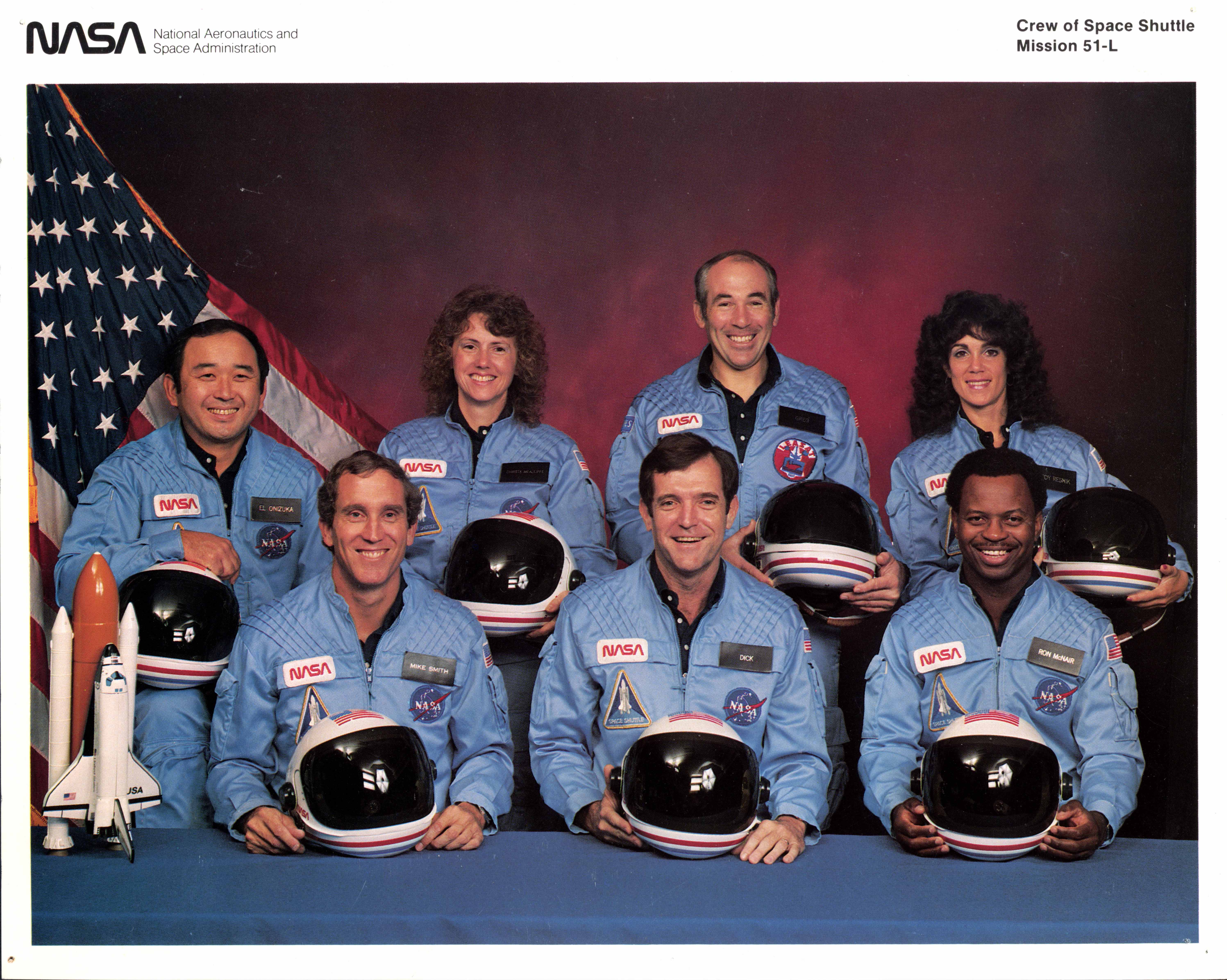
Challenger Series: The Challenger Disaster and Its Historical Context
Wednesday, Feb. 4, 5 p.m., Zoom Webinar
Remembering the 40th Anniversary of the Challenger disaster: January 28, 1986-2026.
The Christa McAuliffe Center invites multi-generational audiences to a series of conversations that will explore key formative moments in the life of Christa McAuliffe; examine the historical context of the 1986 Challenger mission; and reflect on the lessons learned from the tragedy.
The Challenger Disaster and its Historical Context
Speakers:
Jennifer Levasseur, Space History Curator, National Air and Space Museum
Dr. Jon Huibregtse, Professor Emeritus, History, Framingham State University
What links us together? Event 2
Wednesday, Feb. 4, 11:30 a.m. to 2:30 p.m., McCarthy Dinning Commons Annex
This is a collaborative, year-long art project designed to encourage connections between friends and strangers. Community members across Framingham will write, draw, or stitch words on cloth to represent their identities. Then, using an actual bridge as a canvas, the cloth will be knotted and woven together. A digital artistic catalog will be presented at the final event.
Knox Trail Commemoration: 250 Years
Sunday, Feb. 8, 2 to 4 p.m., Framingham Centre Common
The major victory of 1776 in Massachusetts was the successful siege by the Revolutionary Army of the British occupation of Boston that led to their departure on Evacuation Day (March 17th). The catalyst of that victory was the amazing feat, led by Boston's Henry Knox under the authority of George Washington, to drag artillery by horse across snow and rivers and so on from Fort Ticonderoga to Dorchester Heights. When the British saw the outcome, they decided they had to abandon their occupation and left. The so-called Knox Trail (or Noble Trail of Artillery) passed across Massachusetts through 33 towns and cities. The people organizing the celebration have found teamster horses, cannons, re-enactors and so forth to allow a rolling celebration across the route.
This special event will feature horse and oxen pulled sleds, live music, artillery demonstrations, living history colonial reenactors, Revolutionary War artifacts, and more! Learn more at www.framinghamhistory.org.
Argos Test Kitchen
Thursday, Feb. 5, 9 a.m., Microsoft Teams
Cooking up your first report in Argos
The quarterly Argos Test Kitchen sessions are guided, hands-on workshops designed especially for our users who don't have coding experience (and don't want it!). IT has done all the grocery shopping for you, so all you have to do is pull it all together for a delicious dish.
Each session will be offered virtually so you can work directly in Argos on your own computer.
Interested?
Registration is required so we can make sure you have all the necessary permissions in Argos before we get started. Please RSVP here!
Danforth Drop into Art
Sunday, Feb. 8, 1 p.m. to 4 p.m., Danforth Art Museum and School
Join us for a delightful afternoon exploring creative collage techniques as seen in layered vellum constructions by artist Rachel Loischild. Play and experiment with patterned fabric, torn paper, ink, magazine image transfers, buttons, and texture rubbings as you arrange them in layers for a collage.