
Febuary 17, 2026
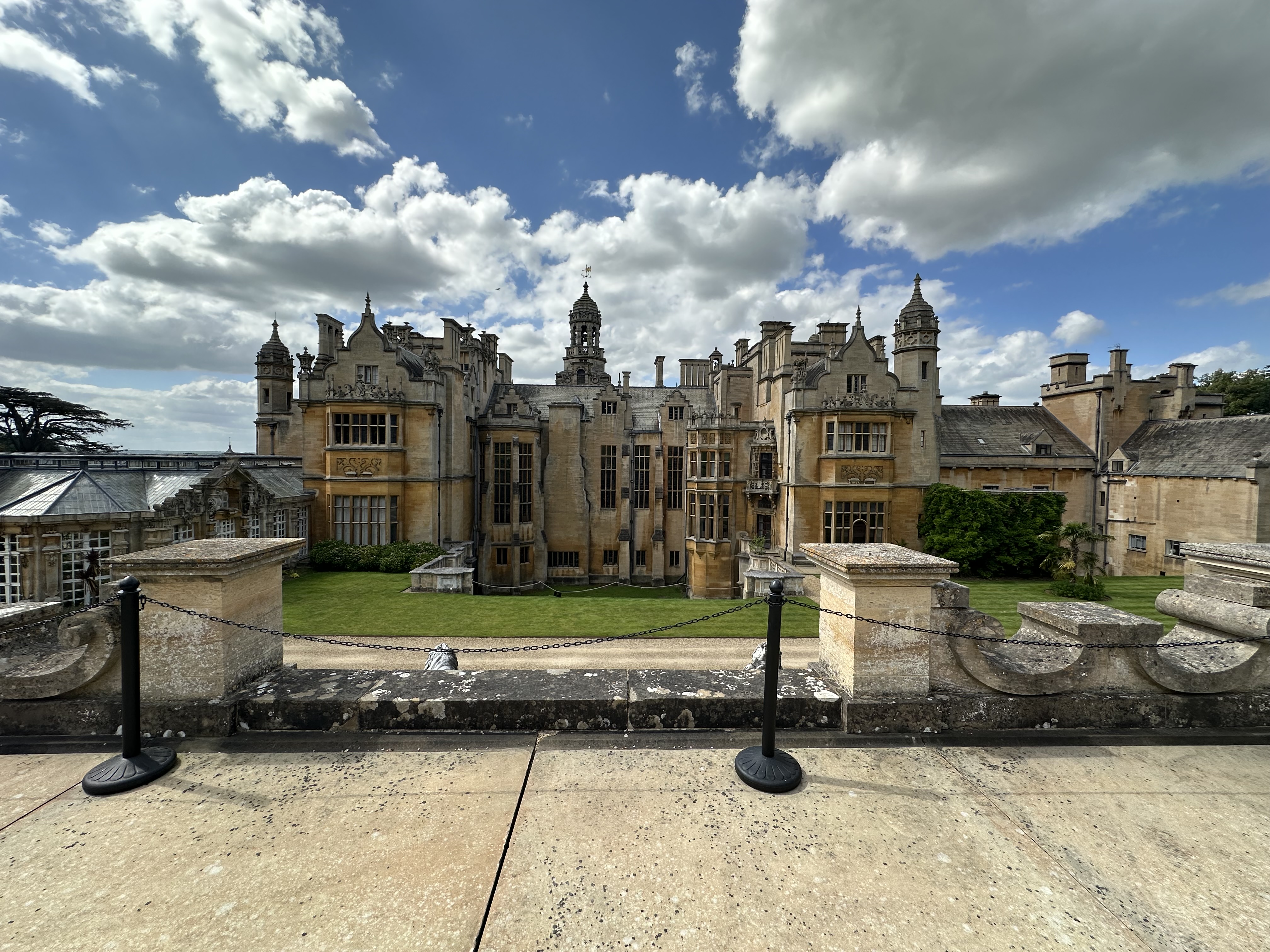
What's the Tea with Harlaxton?
Tuesday, Feb. 17, 11 a.m. to 3 p.m., Miles Bibb Confernece Room
Have you heard us talking about Harlaxton, but you can't quite figure out if you want to go? Need more information besides the “advertising material”? Then come to our Afternoon Tea in the Ecumenical Center!
Join the Office of International Student Services and Study Abroad and Jordan Hall, our Harlaxton rep, for actual tea (or coffee, if you prefer), scones, and cucumber sandwiches!
The basic Harlaxton info is below, but for all the tea on life at the castle, student activities, classes, ease of travel, the surrounding town AND MORE, come talk to Jordan!
Please note that this is a drop-in event, and you are welcome to stop by at any time between 11am and 3pm to grab a drink, a snack, and a chat. There will be no formal info session scheduled.
Are you in the FSU Honors program, OR you have a 3.0 GPA? Is your family not into the idea of you studying abroad, but you want a way to convince them? Why not study at Harlaxton College?
Harlaxton College is a beautiful manor/castle where you eat, sleep, and take classes. The best part? FSU professor Dr. Sandy Hartwiger is coming, too! Dr. Hartwiger will teach two FSU classes, and then you can take up to four additional classes at Harlaxton…you could even get ahead on your degree!
"100 days Until Graduation" Recent Alumni Share Career Advice with Students
Tuesday, Feb. 17, at 7 p.m. on Zoom
Hear from recent FSU Alumni about how they navigated the first years after graduation.
The Right to Eat: Food Security, Service, and Dr. King’s Vision
Wednesday, February 18, 2026, 8:30 – 11:30am, McCarthy Center Lobby
The Food and Nutrition Department invites the FSU community to explore how food security intersects with Dr. King’s mission to end poverty and promote equity. Learn about the importance of access to nutritious, affordable food, and discover ways to get involved in upcoming Days of Service at local MetroWest food pantries.
We will also welcome our Tribal Member in Residence, Shani Turner of the Native Nipmuc Tribe, who will share about Indigenous foodways and lead a meaningful seed-planting ceremony.
Panel Discussion: How has Dr. Martin Luther King Jr. shaped your journey?
Wednesday, February 18, 2026, 1:30 – 2:30pm, Center for Inclusive Excellence
Join us for a meaningful panel discussion with FSU faculty and administrators as they reflect on the ways Dr. King’s teachings have influenced their personal and professional lives. Through stories of challenge, resilience, and growth, our panelists will explore how MLK’s vision of justice, equity, and service continues to guide their identities and their work here at FSU.
The Arthur Nolletti, Jr. Film Series: Nickel Boys
Wednesday, February 18, 2026, 6 – 8:30pm, Heineman Ecumenical Center
Adapted from Colson Whitehead’s Pulitzer Prize-winning novel, Nickel Boys follows the harrowing experiences of Black youths trapped in a reform school’s violent, racist system. By confronting buried histories of abuse, the film urges viewers to reckon with the structures of inequality that continue to shape American life today. Winner of the National Society of Film Critics for Best Picture and Nominated for Best Picture and Best Adapted Screenplay at the 2025 Academy Awards.
DICE Professional Development Series: Supporting Students with Diverse Learning Needs and Abilities
Wednesday, February 18, 2026, 1:30 – 2:30pm, Center for Inclusive Excellence
This session will be faciltated by Julianne Lilienfeld, Disability/Access Services Coordinator for the Center for Academic Success and Achievement; and Tanya Milette, Associate Director of Disability and Access Services for the Center for Academic Success and Achievement
Register for DICE Professional Development sessions here.
Neurodivergent students—such as those with dyslexia, ADHD, or processing disorders—face unique challenges in Higher Ed. This workshop offers UDL strategies, legal context, and inclusive teaching practices to reduce stigma and support learning. Faculty will leave with concrete ways to empower students with diverse learning needs and abilities.
English Language Programs Study English with us this Spring!
The new six-week Saturday session starts on March 14
Register now! We welcome students of all languages and backgrounds.