
Febuary 23, 2026
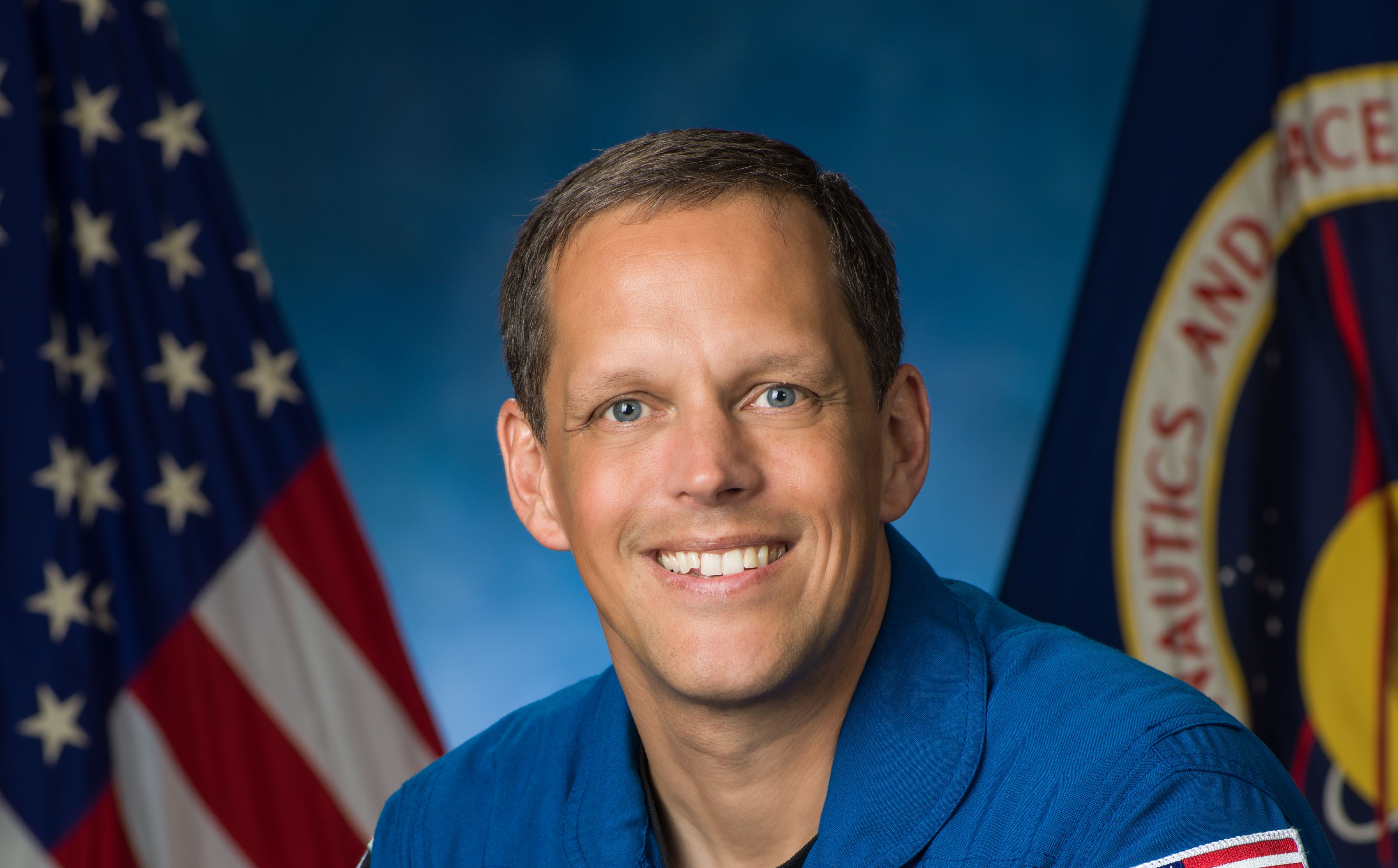
Meet the Astronaut: Bob Hines
Friday, Feb. 27, 2026, 12:30 p.m., McCarthy Center Forum
Come meet NASA Astronaut Bob Hines! Bob has served as a mission specialist on NASA’s SpaceX Crew-4 mission, having logged a total of 170 days in space during Expedition 67 and 68 aboard the International Space Station.
Hear from Bob reflect on his personal experience, flight experiences and a Q&A.
President Niemi Open Office Hours
Have something you'd like to talk to President Niemi about? Take advantage of her Spring Open Office Hours - no appointment necessary. First-come, first-served.
Tuesday, Feb. 24, 9:30-10:30am
Thursday, March 26, 3:00-4:00pm
Wednesday, April 29, 1:30-2:30pm
Black Excellence Expo (B.E.E.)
Tuesday, Feb. 24, 1:30 p.m., Center for Inclusive Excellence
Celebrate Black-owned businesses in Massachusetts and the entrepreneurial work of BIPOC students at FSU. Join us for a vibrant showcase uplifting Black excellence and innovation.
Community Stargazing
Tuesday, Feb. 24, 6 p.m., outside May Hall
** CLOUD DATE: Thursday, February 26, 6PM-7PM **
Use telescopes to observe the night sky! McAuliffe Center staff are available to answer your questions about telescopes and our Universe.
FREE - no registration required. Drop by event.
Conversations on Race and Community Building with Black Student Union & Office of Residence Life
Tuesday, Feb. 24, 7 p.m., Center for Inclusive Excellence
An open, student-centered space for dialogue on race, identity, and community-building. Students are encouraged to share experiences, ask questions, and explore ways to strengthen belonging and support across campus.
English Language Programs Study English with us this Spring!
The new six-week Saturday session starts on March 14
Register now! We welcome students of all languages and backgrounds.
FSU’s Bee Campus Advisory Committee is looking for new members!
Are you passionate about protecting pollinators? Would you like to support FSU’s efforts to enhance pollinator habitats and education on campus? Then join FSU’s Bee Campus Advisory committee! Faculty, staff, and students are welcome. The commitment includes attendance at our advisory committee meetings once per semester and occasional volunteer opportunities to support garden maintenance. Our spring semester meeting will be held on Wednesday, February 25 at 11am. Contact the committee co-chair, Megan Mayer (mmayer1 [at] framingham.edu (mmayer1[at]framingham[dot]edu)), for more information and to join.