
October 6, 2025
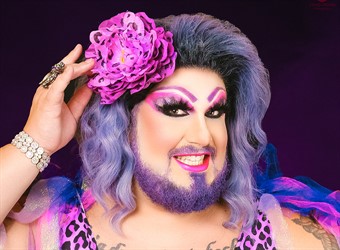
More Than Glitter and a Good Time: Dr. Tuffy Love, Drag, and Community Building
Wednesday, Oct. 8, 12:30 p.m., Alumni Room and Zoom
Dr. Tuffy Love Andrews (Marc Settembrino, Ph.D.) explores the transformative power of drag to foster solidarity, celebrate diversity, and strengthen bonds. Discover how drag, far beyond just entertainment, serves as a dynamic tool for social change and community resilience. Don’t miss this enlightening discussion on the impact of drag in creating spaces of inclusion and joy amidst intensifying adversity.
https://www.framingham.edu/events?trumbaEmbed=view%3Devent%26eventid%3D184246016
Free Expression and Book Bans in Mass: What Can We Do?
Tuesday, Oct. 7, 10:30 to 12:30, McCarthy Center Forum
In time for Banned Book Week, join us for coffee, pastries, and conversation as two local state representatives, faculty members and President Niemi discuss proposed legislation regarding books bans and free expression in public institutions throughout Massachusetts.
https://www.framingham.edu/events?trumbaEmbed=view%3Devent%26eventid%3D190127313
Internship Discovery Fair
Thursday, Oct. 9, 3 to 5 p.m., McCarthy Center Forum
Students can take a new LinkedIn photo, browse the Career Closet for some business casual clothing, develop an elevator pitch, and get feedback on their resume- all with some snacks and networking with local employers looking to hire Spring/Summer 2026 interns.
https://www.framingham.edu/events?trumbaEmbed=view%3Devent%26eventid%3D186357535
Hispanic Honors Society Sigma Delta Pi Movie Night: Underwater Dreams
Tuesday, Oct. 7, 1:30 p.m. CIE
Come celebrate Hispanic Heritage Month with Sigma Delta Pi. Free snacks provided.